How We Increased Freemium-to-Paid Conversion from 0.8% to 3.1% in a B2B AI SaaS Product


The problem most B2B SaaS founders miss
High user activity doesn’t automatically lead to revenue. This is one of the most common and costly surprises for early-stage SaaS founders, especially those building on a freemium model.
While working on a B2B AI product for scientific research teams, we saw consistent engagement. Over 35% of active users were hitting free-plan limits at least twice per week. And yet, free-to-paid conversion sat at just 0.8%, well below the typical 2–5% benchmark for B2B SaaS products with an active free tier.
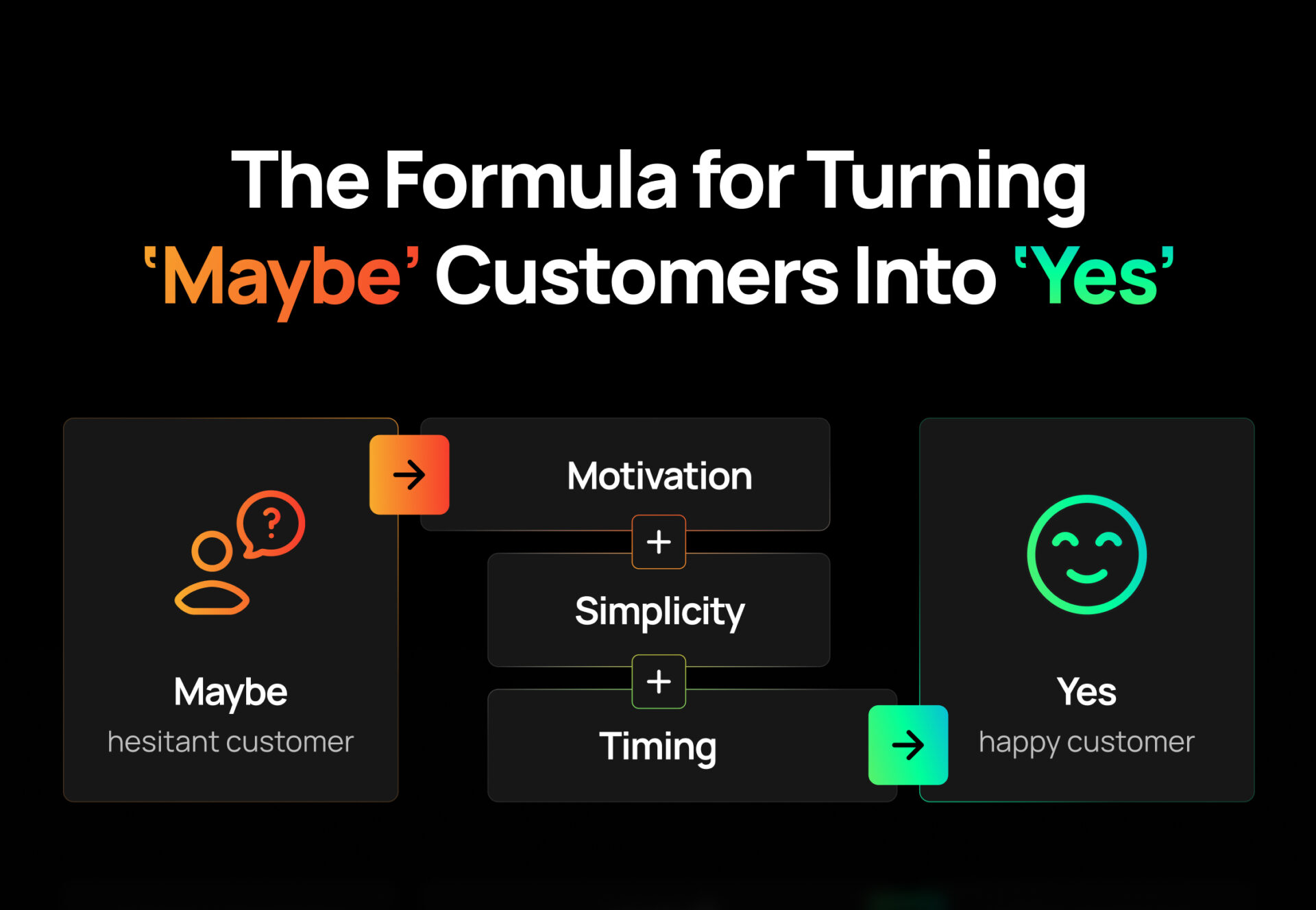
The product wasn’t failing and users genuinely needed it. But something in the upgrade experience was broken and fixing it took the conversion rate to 3.1% in three months without touching pricing or tightening limits.
This article breaks down what was blocking conversion, what behavioral signals revealed the issue, and the specific product changes that moved the numbers.
Understanding the conversion problem
Before jumping to solutions, it’s worth understanding what was actually happening at the moment users hit a limit.
Over 60% of active users engaged with AI features 3–4 times per week. When they reached a limit, they didn’t upgrade. They shortened their analysis or paused work until limits reset.
This is a critical signal for any founder running a freemium B2B SaaS: users hitting limits and not upgrading doesn’t mean they don’t see value.
To understand why upgrades weren’t happening, we mapped three specific friction points in the product.
The three friction points blocking upgrades
The limit message didn’t show what users were missing
When a user hit a limit, they saw a generic “limit reached” message — no preview of the paid plan, no comparison across tiers, no indication of what they were giving up. The paid plan felt like buying more of the same, not accessing something meaningfully better.
What this cost: zero upgrade intent at the most relevant moment in the user journey.
The upgrade path required leaving the workflow
Upgrading was only possible through a separate pricing page — no upgrade option existed inside the AI interface or search panel. Users had to stop their work, navigate away, compare plans, and then decide, all outside the context where the pain was felt.
In product-led growth, every extra step between the moment of need and the upgrade decision kills conversion. Context-switching is especially costly in task-focused B2B workflows.
What this cost: the moment of highest motivation was consistently wasted.
Limits appeared without warning
No usage indicators, no approaching-limit signal, no reset visibility. Limits appeared as sudden interruptions — and the only moment to consider upgrading was also a high-frustration moment, which is the worst time to make a purchase decision.
What this cost: no proactive upgrade pathway existed at all.
What we changed
Limits started showing upgrade value
Reaching a limit now triggered an in-context experience: a side-by-side plan comparison (10 / 50 / 200 iterations), a preview of blocked results, and an inline upgrade option — no redirect required.
Result: CTR on upgrade actions at limit moments increased from 0% to 11.8% in three months.
The upgrade was embedded into workflows
We moved the upgrade option into every scenario where the limitation appeared — during an AI iteration, when expanding search results, when accessing Pro-only parameters. The decision could now be made without switching screens.
Result: 61% of upgrades happened directly within an active session, up from 0%.
Limit usage became visible before hitting zero
A usage indicator showed remaining queries, reset schedule, and a “low limit” warning — with an embedded upgrade CTA accessible before the limit was fully reached. This shifted upgrade consideration from reactive to proactive.
Result: 19% of users opened the upgrade modal before fully hitting their limit, up from 0%.
Outcomes
Three months after these changes, free-to-paid conversion grew from 0.8% to 3.1% — back within the standard 2–5% range for B2B SaaS with active freemium usage. No pricing changes, no tighter limits.
The core lesson for early-stage SaaS founders: low freemium conversion despite strong engagement is almost always a product design problem, not a pricing problem. If your upgrade experience isn’t meeting users at the right moment, in the right context, with the right information — they won’t upgrade, even when they need to.